Session 34 — October 2017
Escaping fatalism by looking from the Self rather than the mind ▶ Play excerpt02:17
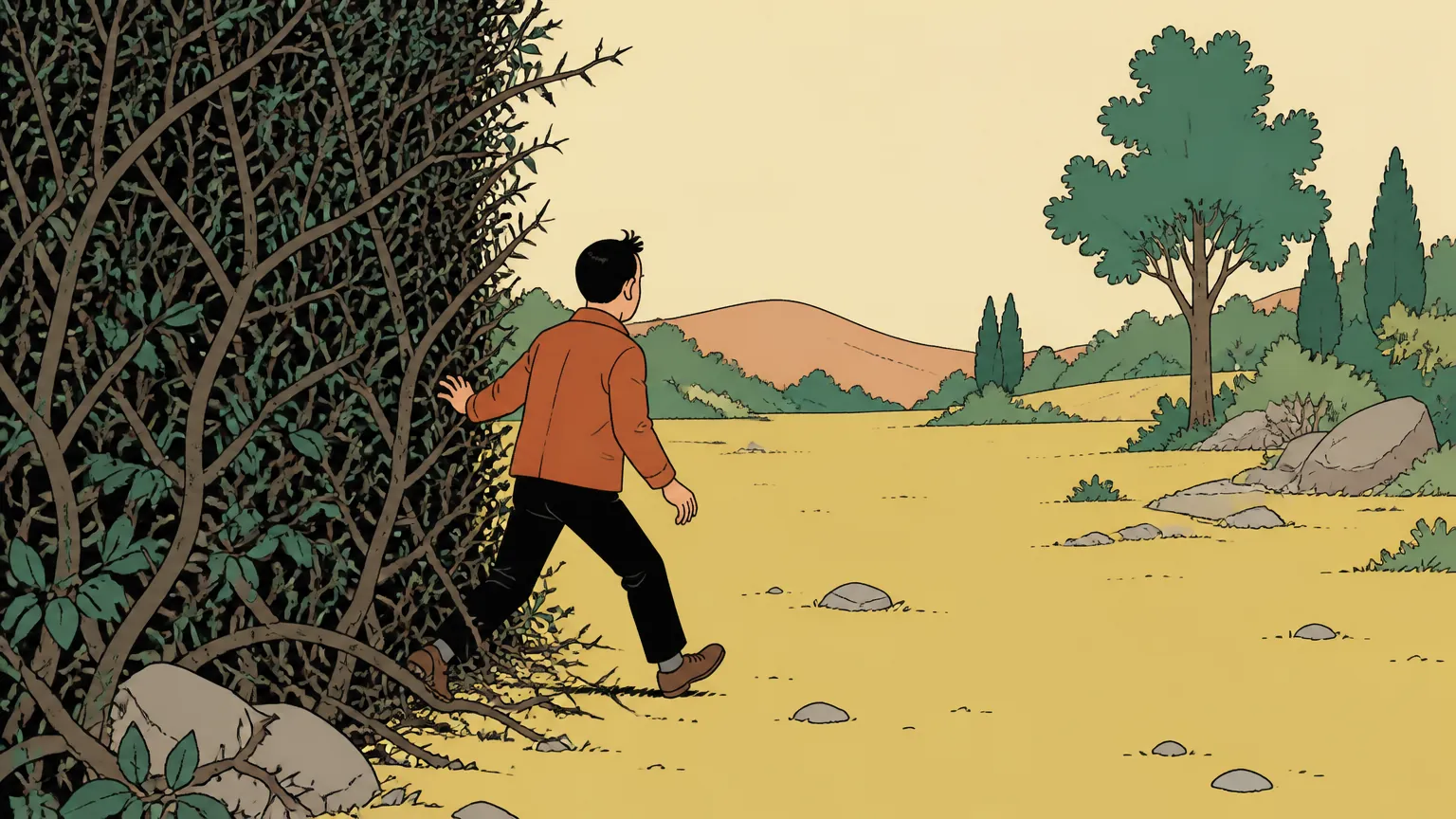
Frederic accepts that the mind cannot control anything but asks how one then avoids being fatalistic.
The Wonders answer that if you look at the world only through the mind, fatalism is inevitable: it cannot control anything, so it concludes there is no point.
Coming from the Self instead, one recognizes the mind as a tool created to navigate the constraints of third-dimensional reality; once the mind is shown that it cannot control, one can simply choose in the moment, which is command, and choice after choice brings exploration, change, creation and joy in living.
They contrast the mind, which sees the world as a scary place to defend against, with the Self, which sees it as an opportunity to try, explore, uncover and discover.
Continuity of the Self, the mind as a garment, and the subconscious ▶ Play excerpt03:20
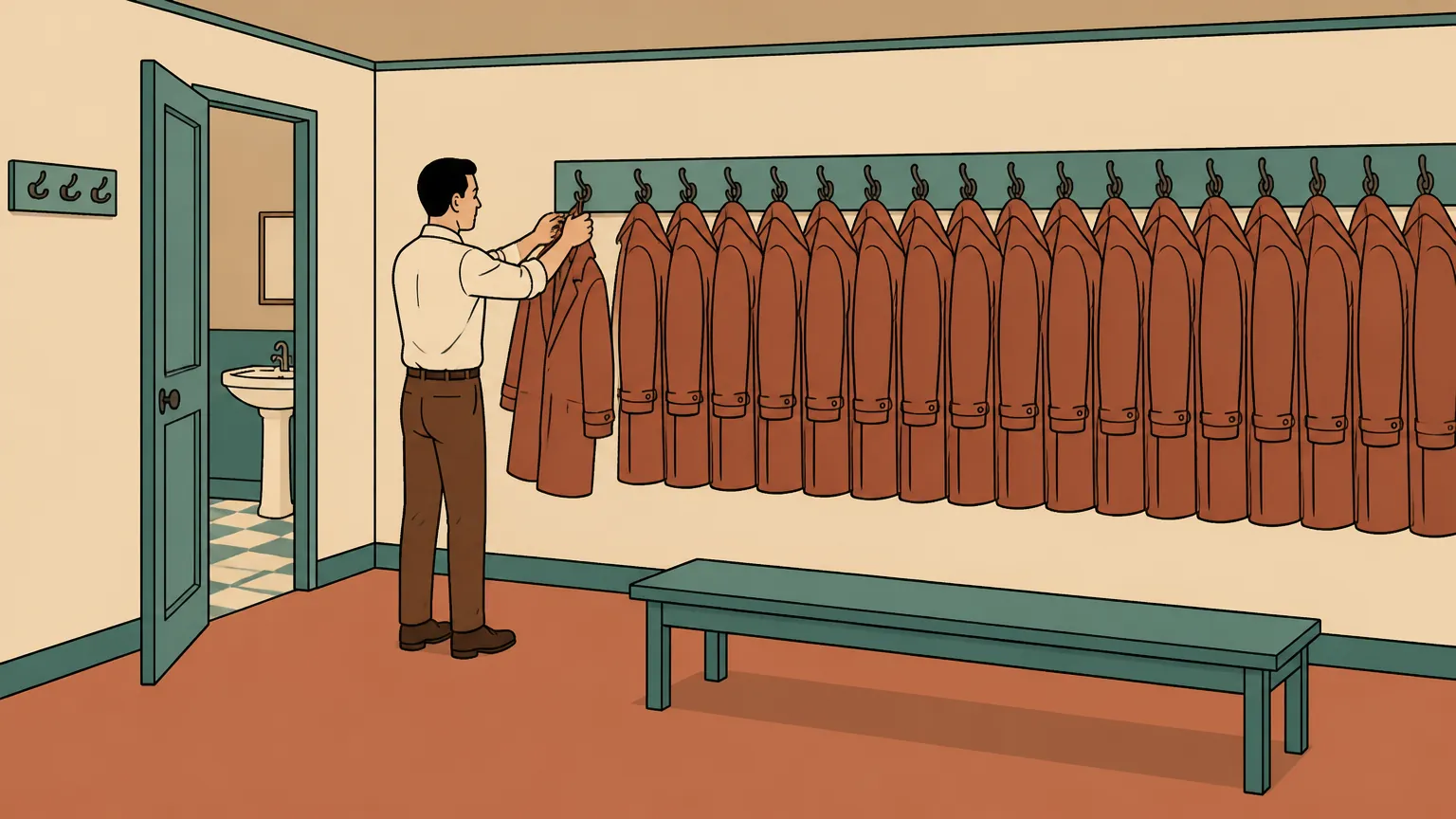
Asked whether his own continuity is absolute given that nothing is absolute, the Wonders distinguish the ego-personality, which has no absoluteness, from the constant, continuous essence that the mind cannot grasp.
A new ego, mind and personality is created at each incarnation, like putting on a coat: the body is continuous while clothes change, and the Self creates a mind to suit the circumstances it finds itself in.
Everything the Self gleans from these lives stays with it and, at incarnation, is placed into the subconscious portion of the newly created mind.
The conscious mind forgets its relationship to the subconscious, so from the conscious side there seems to be no continuity, while in sleep or meditation, entering the subconscious, one begins to sense the constancy and continuance of oneself.
They also describe a small unconscious portion that runs bodily survival functions.
Resentment and judgment of humanity as self-judgment ▶ Play excerpt01:37
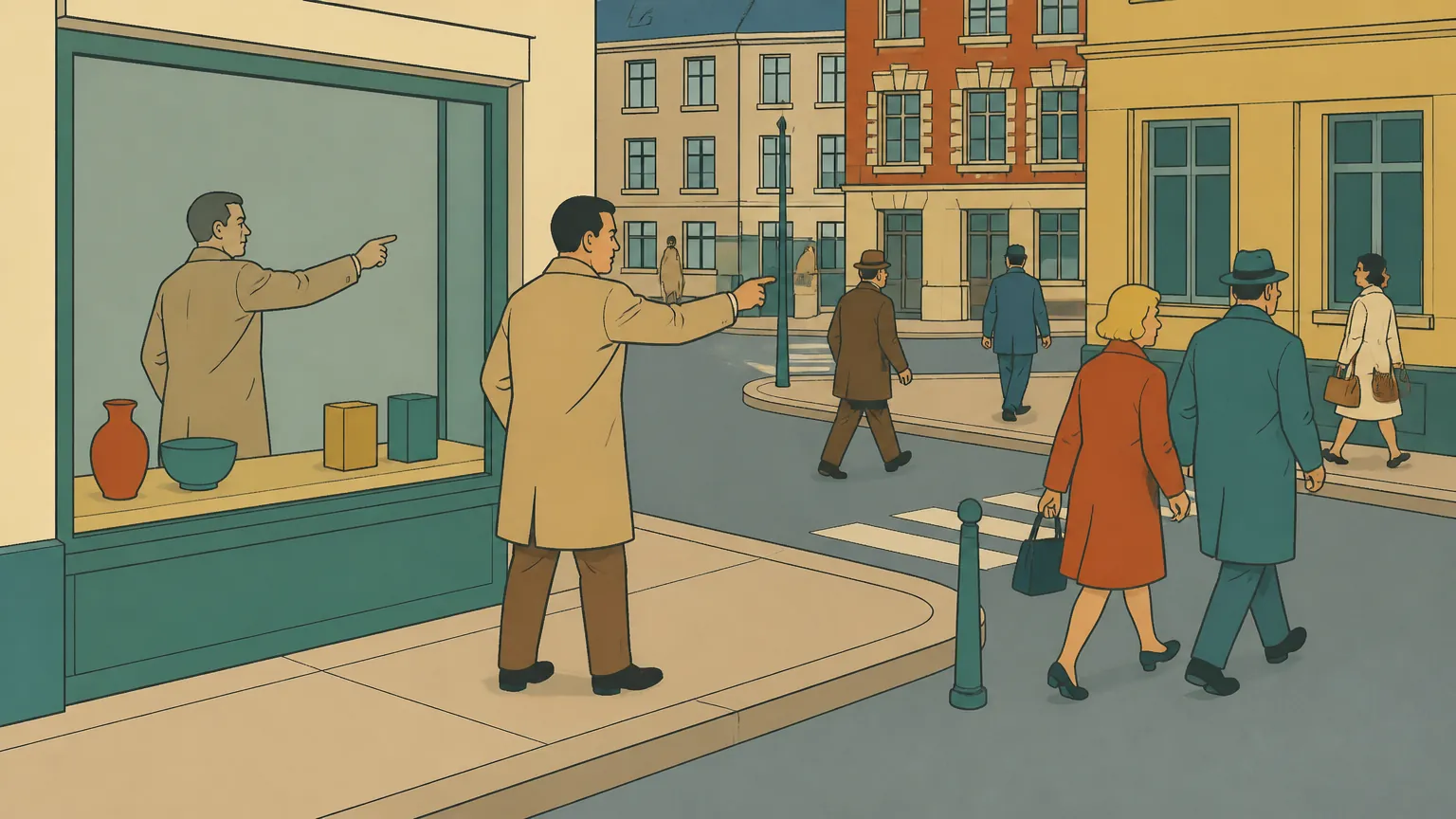
Frederic asks whether the resentment toward humanity mentioned previously is specific to this lifetime; the Wonders say not necessarily, it can be gleaned over many lifetimes.
He admits he sometimes wonders what he is doing here and sees much of humanity as completely stupid.
They agree humanity does stupid things, but point out that what he observes in humanity is a part of himself which he judges: he has judged parts of himself as unnecessary or silly and projects that judgment onto other people's decisions and choices, judgment being what the mind is good at.
What happens to the mind at death ▶ Play excerpt01:11
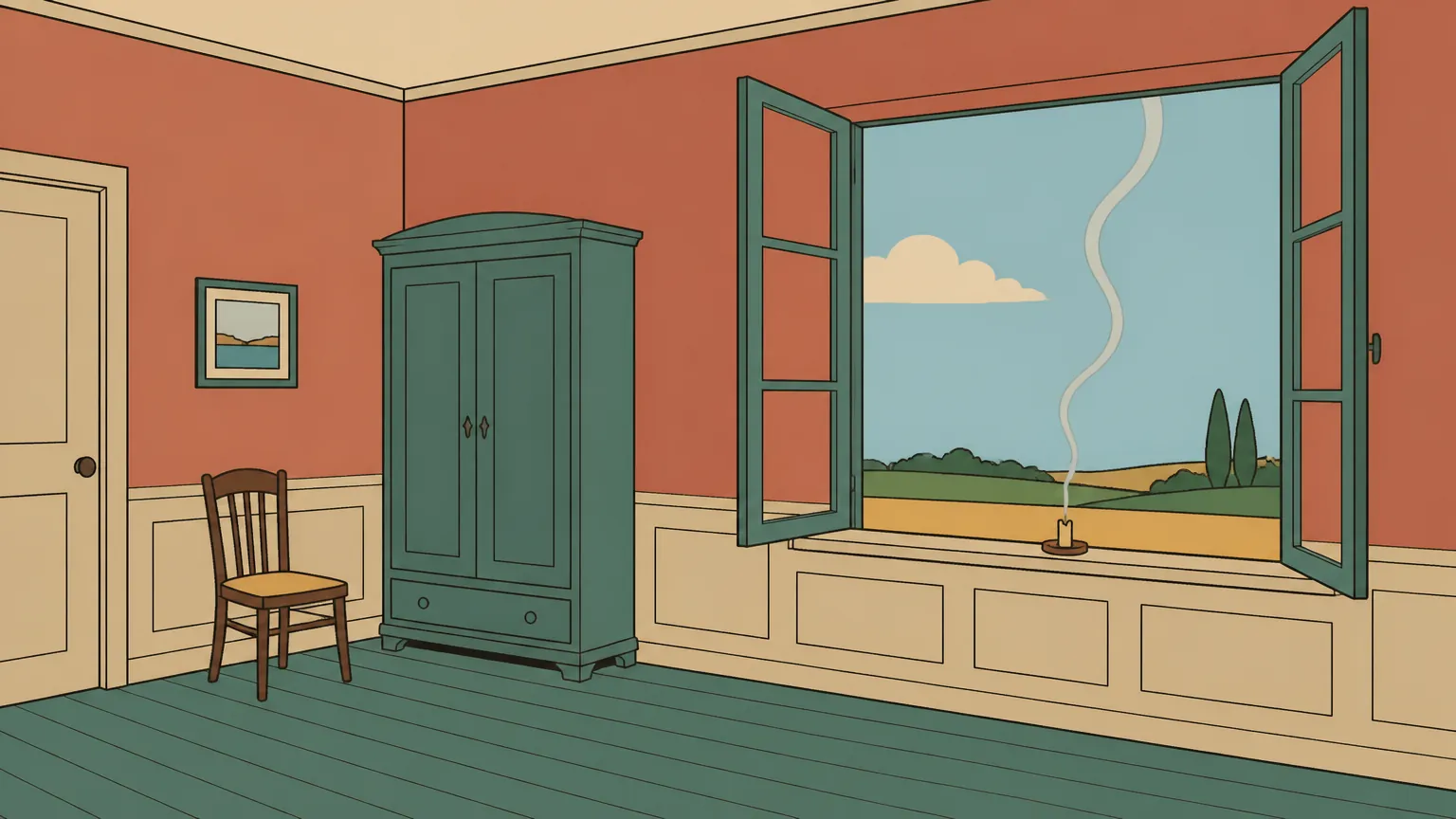
The Wonders describe, saying they have not spoken of this to anyone else, what becomes of the mind at death: the conscious mind ceases to operate immediately, while the subconscious mind stays with the body until it can no longer function and then dissipates.
The subconscious portion goes through reintegration and re-evaluation and is reintegrated with soul essence ready for the next incarnation.
Asked whether this process happens without judgment, they confirm it does, since the subconscious mind has no interest in judging, only the conscious mind judges.
Free choice, the subconscious, and the computer analogy of the Self as programmer ▶ Play excerpt05:32
Frederic suggests choice is only possible without judgment; the Wonders reply choice can be made with judgment but is then not free.
They say real free choice with the mind is possible by relating to the subconscious mind: one can live with the subconscious rather than the conscious mind at the forefront, though the subconscious is not designed to choose, so the conscious mind must be commanded to choose based on the subconscious's broader awareness.
What appears as the subconscious asserting itself is actually the Self using it.
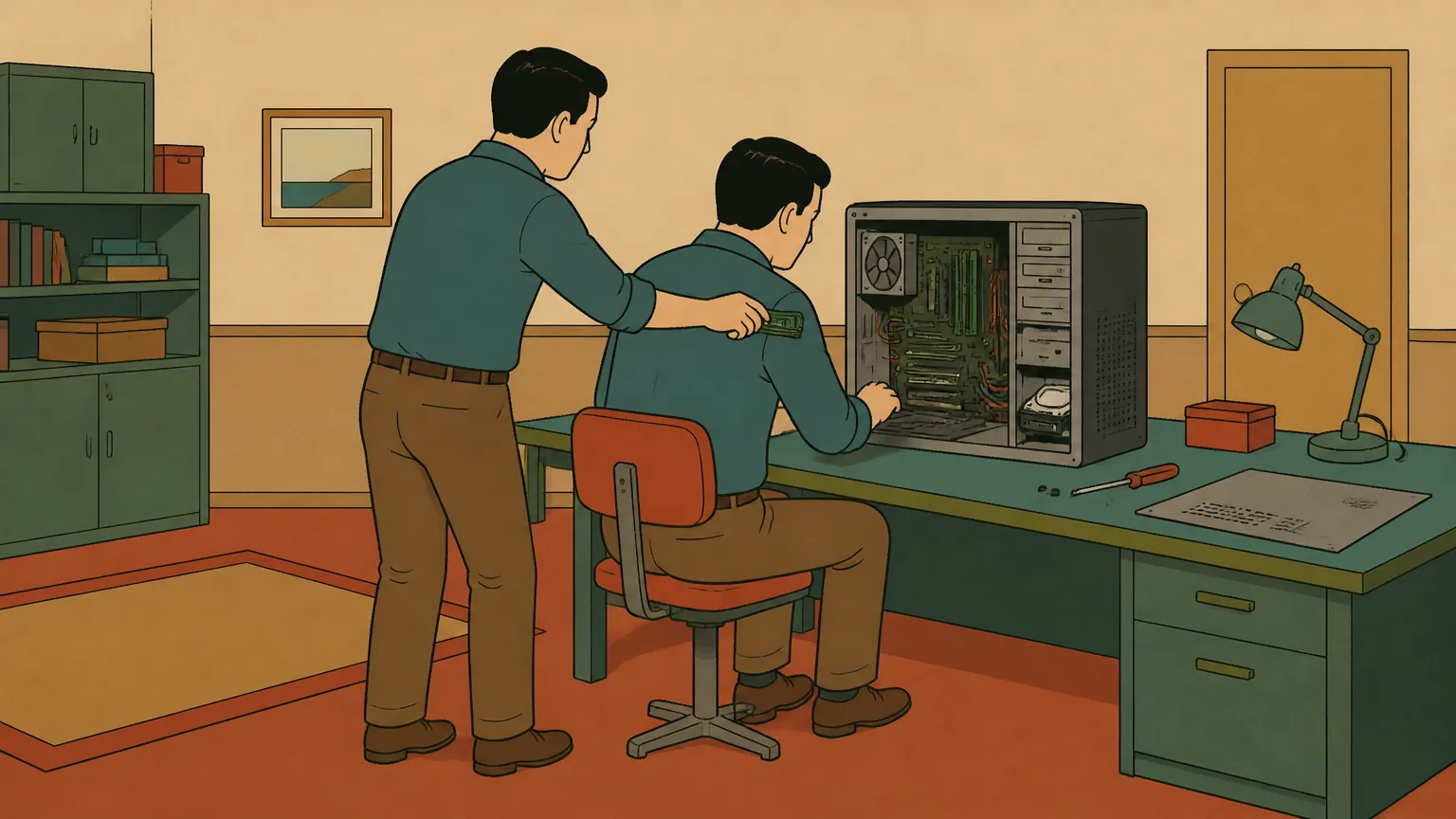
They offer a computer analogy: the conscious mind is RAM, processing and choosing in the immediate moment and then passing things to storage; the subconscious is the hard drive; and the Self is the programmer who tells the RAM to access the subconscious's awareness before making a choice.
Applying this to the earlier point that he had been accommodating the child rather than choosing from his own sense of freedom, they answer that he is the programmer and decides how it works, while acknowledging the analogy is only an aid, not a complete description, and that third-dimensional constraints remain.
Why conscious and subconscious are separate, and organic computing ▶ Play excerpt02:05
Frederic suggests the separation between conscious and subconscious is itself an illusion of the mind.
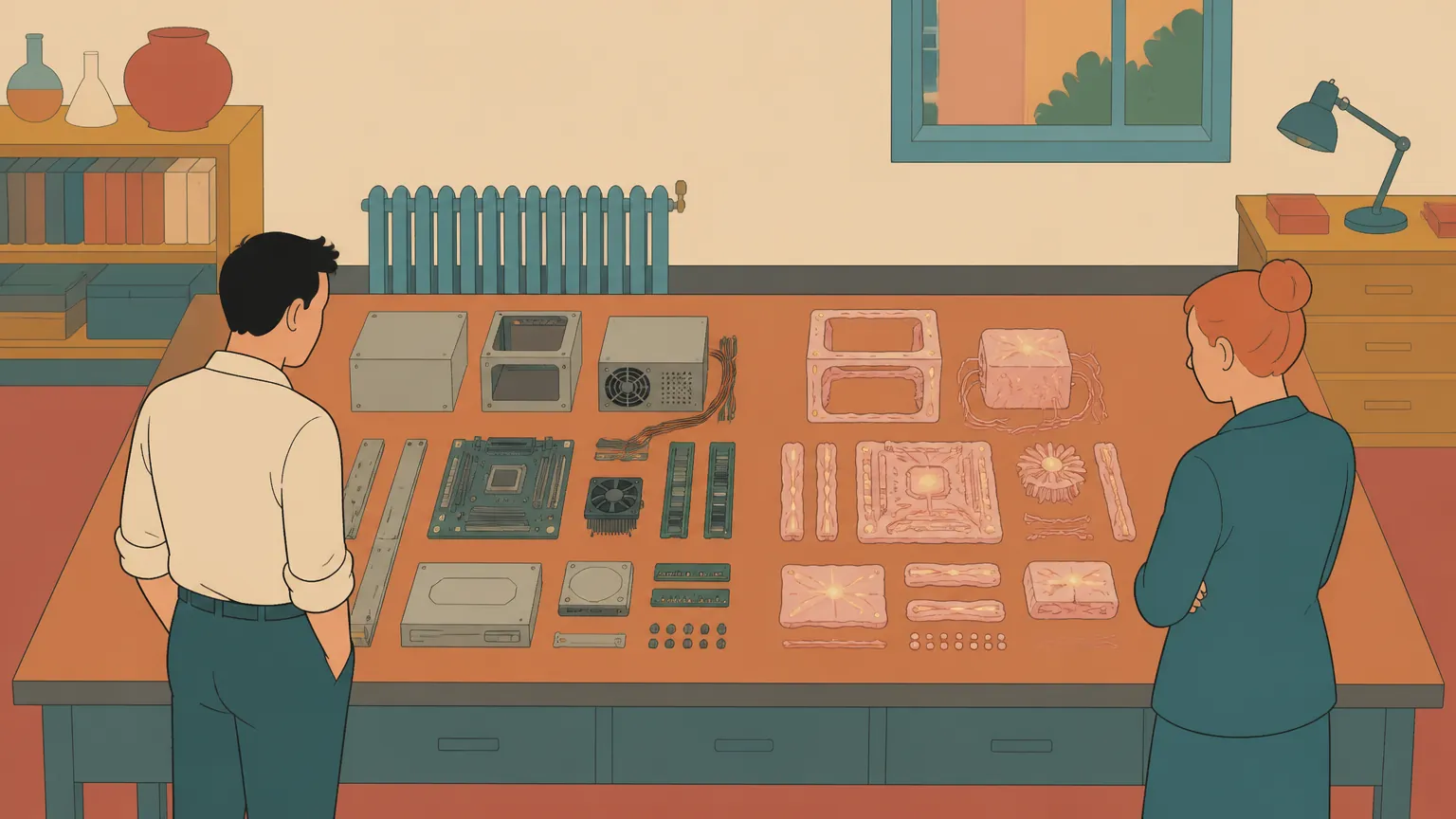
The Wonders reply it is more than an illusion: it is hardwired into the creation called mind, because without the division the mind would struggle to navigate the part of third-dimensional existence that requires judgment, guilt and fear.
The Self, as brilliant programmer, created the separation so the conscious portion could function without the baggage of the subconscious.
Frederic identifies the unconscious as the ROM in the analogy, and they observe that humans built computers very much on the model of the mind.
On artificial intelligence, they say that eventually computing will become organic, and when it does the separation will disappear and the computer will be a reflection of the Self.