Session 65 — November 2020
What 'going deeper into the self' means: questioning until answers run out, and knowing ▶ Play excerpt08:27
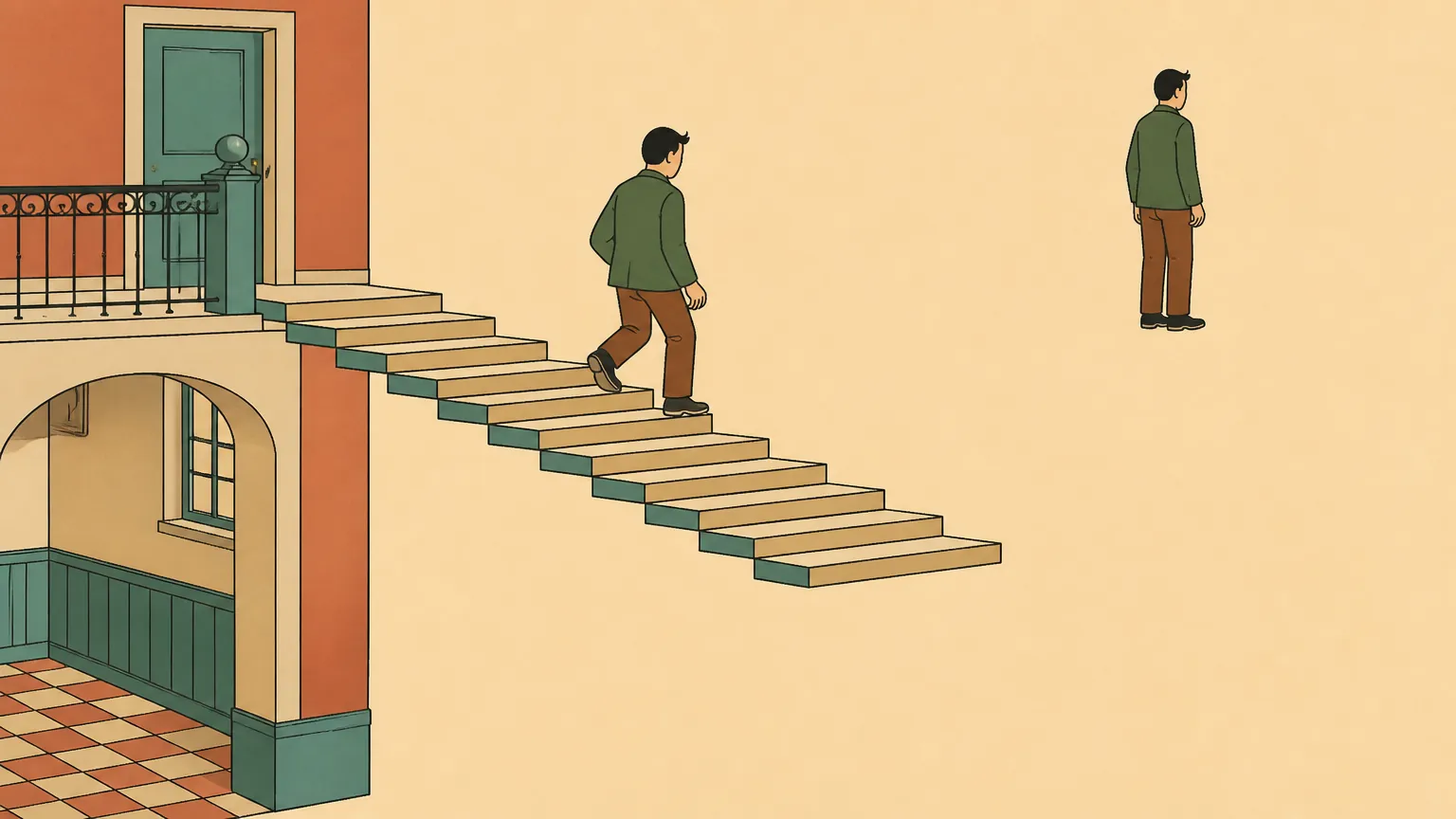
Frederic asks the Wonders to explore from different angles what the self is and what going deeper means.
He says he has trouble defining the self, that going deeper feels to him like going broader by including more angles and aspects, and that where he once assumed the self was something to be discovered he now suspects it is something created and not fixed.
The Wonders suggest it is uncovered rather than created, and describe the method: ask a question, get an answer, then ask where that answer comes from, and keep asking why until the mind runs out of answers and reaches frustration, having exhausted all possibilities and probabilities - yet a last question remains.
At that point all there is is a quiet moment, and in that quiet he begins to get into his knowing: not the clarity of an answer but a knowing, a sixth sense, an awareness.
That is the beginning of going deep into the self, and from there the questions change - the knowing is no longer an answer to a question but 'this is what I know, what else do we know, where else can we explore' - so he goes broader and deeper simultaneously, until he realizes there is no separation at all: no fear, no judgment, no guessing, just an absolute, irrefutable knowing, which is the place inside that knows the self.
Asked whether that means there is only one self, they answer there is one self with many aspects, and confirm that going deeper does mean including more aspects and angles - but of knowing, not of 'I think, therefore I am'.
He currently thinks he exists; eventually he will know he exists, with no definition attached, and in that knowing anything is possible and there are no limits, and he will move away from definition because definition creates separation from the self.
Frederic asks how, as a human being who only has glimpses of this, he combines the two, and whether the mind does not need an incentive.
The Wonders reply that the mind wants incentive, proof and a way to believe, but there is no such thing in knowing.
Eventually the self commands the mind and the mind becomes the tool it was intended to be, an extension of the self rather than a self-defining, self-judging entity.
His mind currently thinks it is self-created and therefore an entity, and resists being a tool because it believes that would minimize its value - whereas its value to the self is maximized: as a tool it becomes more fulfilling, more creative and more aware than it can ever be as an entity, losing itself as an entity but gaining the relationship of the self as an existence.
Questions as movement, doubt, and the mind's refusal to give up being in charge ▶ Play excerpt06:53
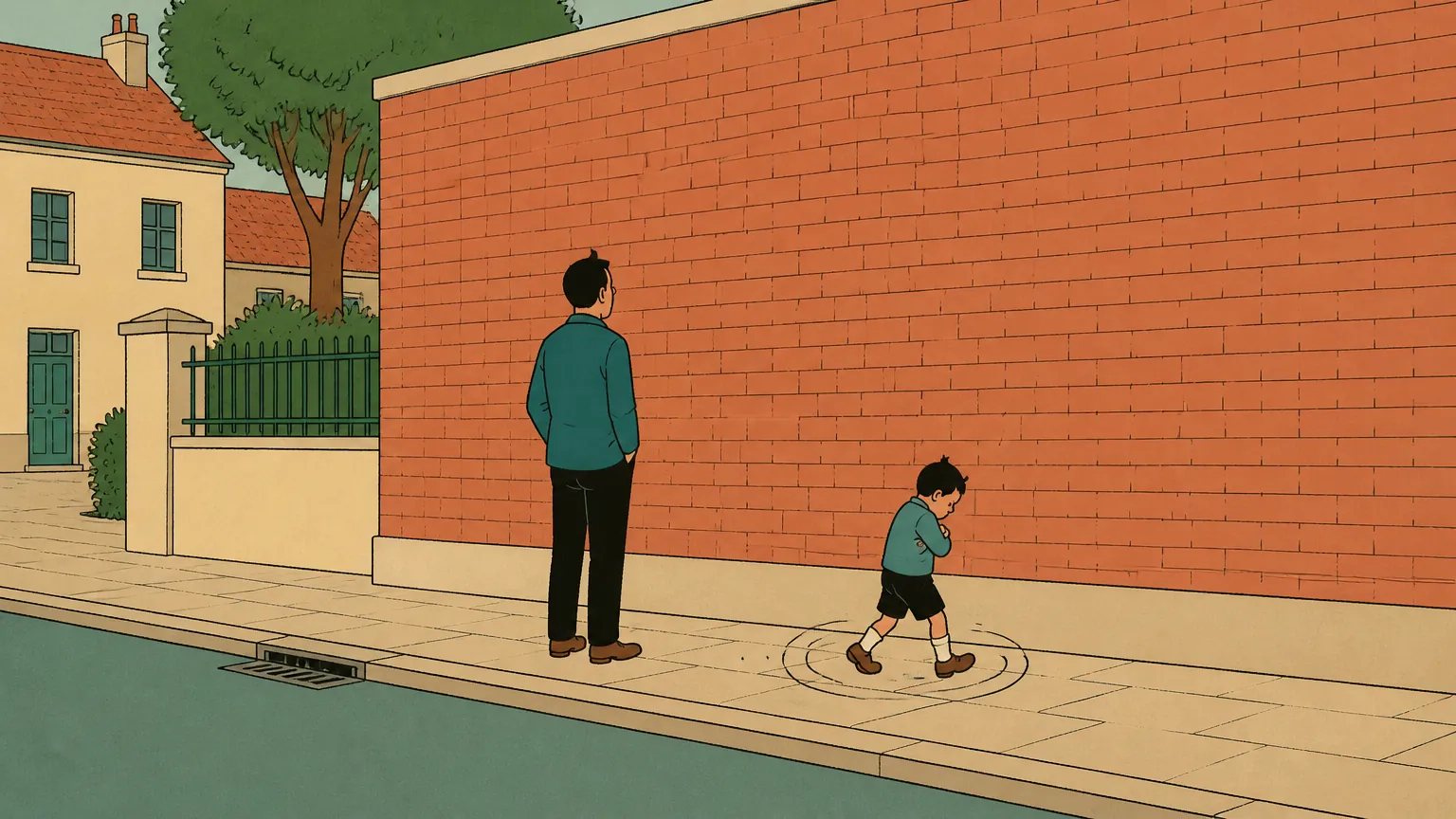
Frederic observes that questions belong to the mind and that questions bring movement while answers seem to stop it.
The Wonders note that he has lived from and prided himself on his mind his whole life, and that his father and family valued the mind as an existence rather than as a tool; his mind resents this and believes it cannot question once it becomes the tool.
Frederic says he is never satisfied with any answer, and they tell him to keep digging - asking why he is not satisfied, what is missing from the answer, what he is not seeing.
He replies that as long as he cannot see what he is not seeing he stays in the same place; they disagree, saying that if he keeps asking the same question and getting the same answer, the mind will eventually see the wall and start looking around it.
The way through is not the mind: the mind questions, but the answers will not make sense to it.
What he is looking for is an answer the mind cannot fathom, understand, comprehend or accept, yet which feels so completely absolute that there is no doubt it is the answer.
Frederic says he doubts everything and anything, which the Wonders attribute to living in his mind: the self knows, and in knowing there is trust, while the mind does not trust because its very purpose was to question the existence it finds itself in - and over time, because it produced an answer to every question, it came to see itself as in charge.
At some point, they say, one must question to the point of finding out one is not in charge.
Frederic relates this to his current situation: he has been on holiday and enjoyed himself but will need money and to go back to work, and now that he sees he is not in charge he is resisting and not moving.
The Wonders name this as the mind behaving like a petulant child - 'if I'm not in charge, then to hell with it'.
Their answer is that if the mind does not make the choices he commands, such as finding a job, the mind will eventually be destroyed, and self-destruction is what it fears most; but there is much space between here and there, and the mind may hold out along the way.
He is the one in charge, and should tell the mind that it is valuable and needed - for navigating third-dimensional reality, getting a job, working on a computer, dialling a phone - while the knowing comes from him.
This is not minimizing the mind but redirecting its value from controlling everything to serving in a particular direction, and if he genuinely values it as the tool it is meant to be it will respond, because like a child it responds to acknowledgement and praise.
Feelings as the bridge between the logic of the mind and the knowing of the self ▶ Play excerpt04:20
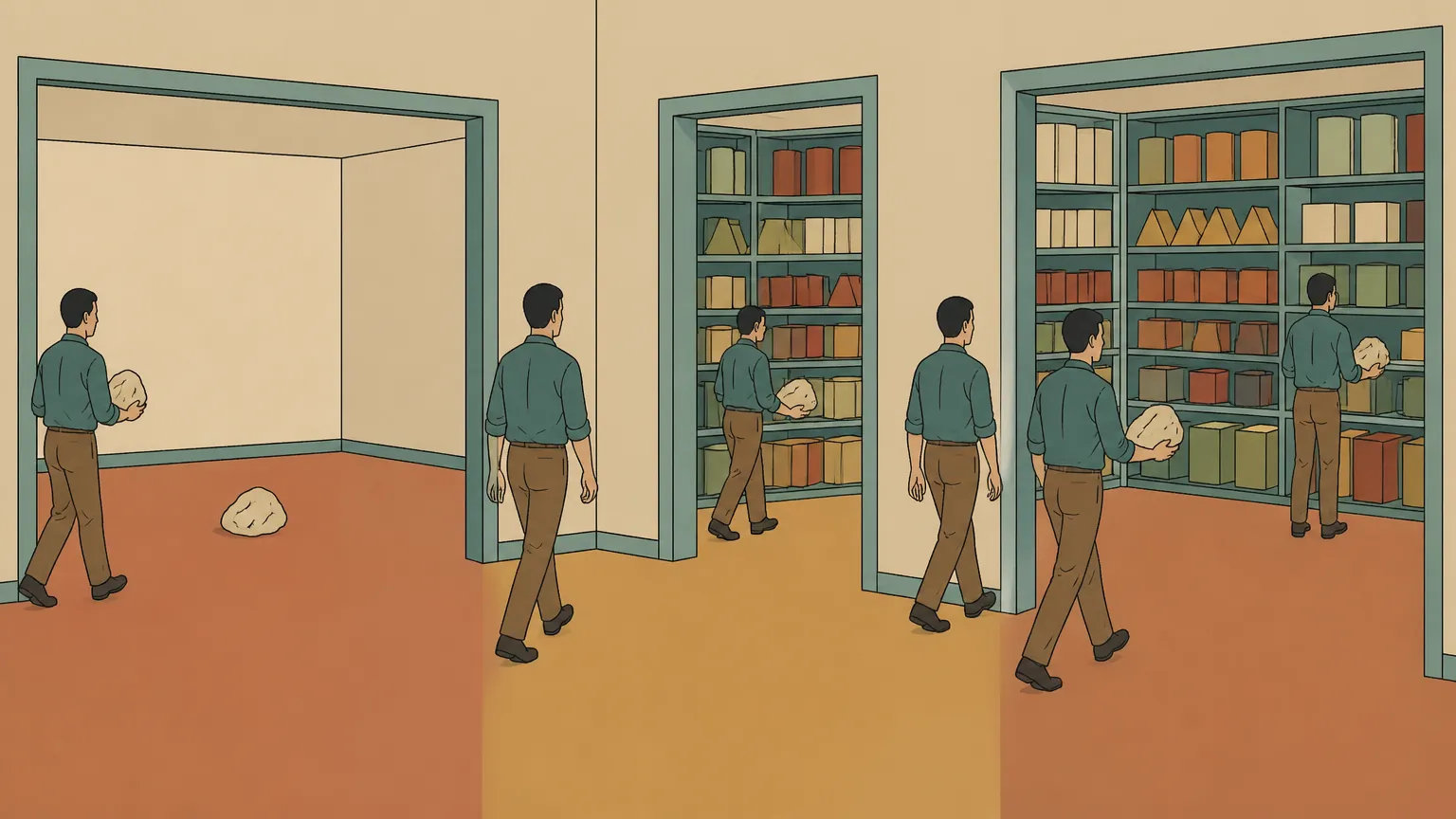
Frederic asks where emotions fit in, noting that from the mind's perspective asking questions brings movement, which brings up feelings, and asks whether that is the link between the mental and the spiritual.
The Wonders confirm it is.
The mind prefers a world of logic where one plus one makes two because logic serves its need to control, and would be ecstatic if everything ran on logic - but human beings also have an emotional component, and feelings mostly do not come from logic even though logic can be used to control them.
Those non-logical feelings are precisely what keeps the mind exploring deeper toward the self: the mind asks a question, the answer may be logic at first but eventually becomes a feeling, and continued questioning leads to the knowing and to the spiritual component of himself.
Feelings, they say, are the bridge between the logic of the mind and the knowing of the self.
They warn that most people either avoid feelings or get lost in them, and distinguish the mental-emotional counterfeit - the mind's idea of a feeling, an emotional reaction it labels as feeling - from real feeling such as 'I feel love, I feel scared, I feel whole, I feel complete', which is what leads to knowing oneself.
He should therefore always ask where a question or a feeling leads, whether the feeling is broad enough or merely anger, uncertainty or insecurity.
Frederic notes that removing judgment changes the feeling, and the Wonders add that sometimes a feeling simply wants to be expressed - through screaming, laughter, tears or movement - and that feelings do not need to be defined; their very existence leads to the next question.
Whether unconscious people do the same thing, and why consciousness is required ▶ Play excerpt03:13
Frederic asks whether this sequence of question, feeling and discovery happens whether or not one is conscious of it, and whether this is not simply what everybody does.
The Wonders say many people do it, not everybody, and that being unconscious can only carry a person to a certain point: consciousness is needed to take it to the next level and find the self.
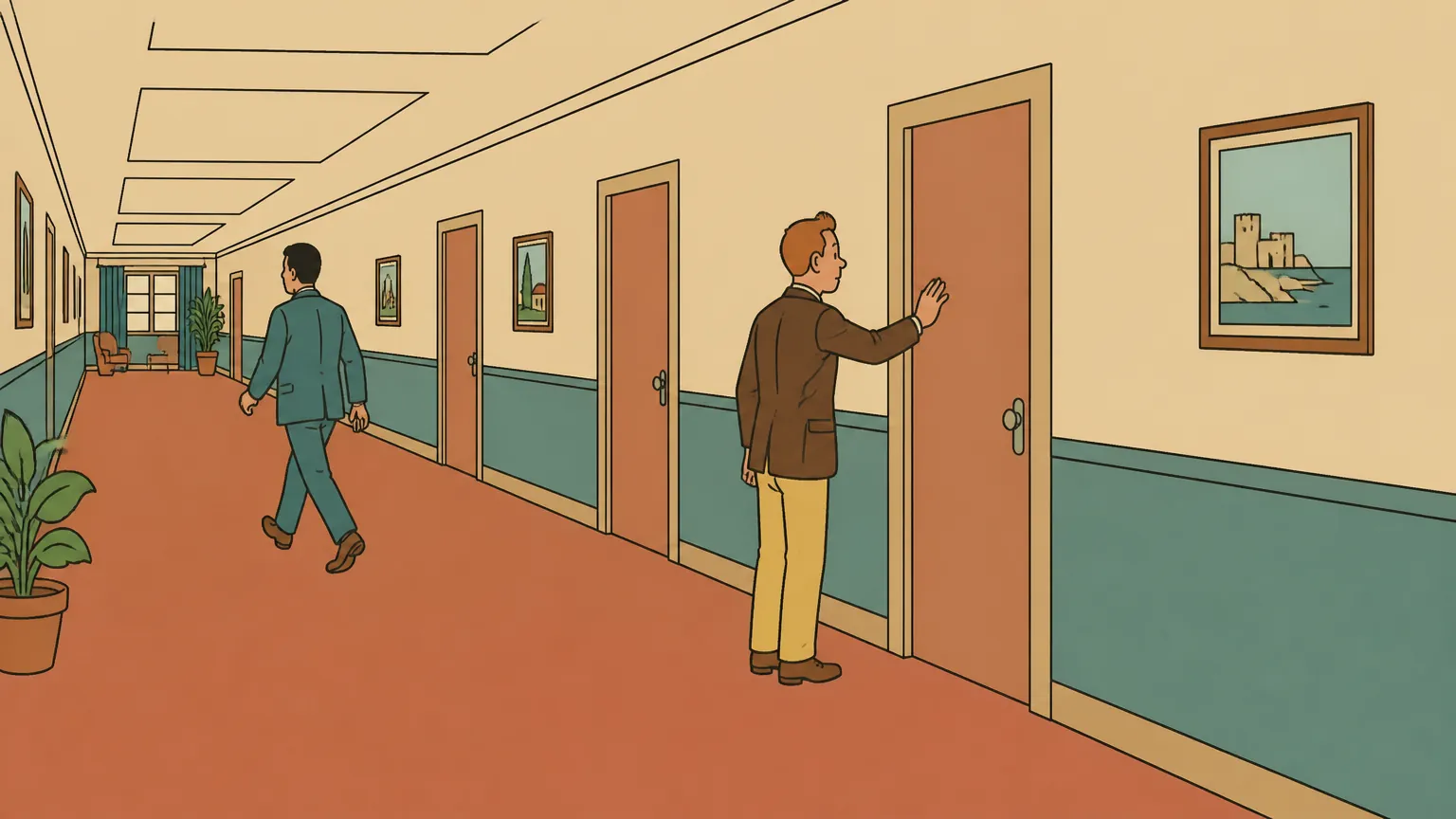
They illustrate with a door: one can walk along and come upon a door without ever having been looking for it, but if unconscious one simply notes the door and keeps going, with no curiosity about what is behind it, whether it is really a door, or whether it is only an illusion of a door - the questions go unasked because one is heading somewhere else.
Frederic asks whether the self can be known without first passing through the conscious; they answer that it can be reached, but it will not be a knowing or an awareness of the ego and mind as tools - it will be a shrug and a moving on, with life so focused on daily living and surviving that the person never realizes the creation of movement they can command and are part of.
The mind's fear of ceasing to exist, and the child-parent-grandparent analogy ▶ Play excerpt04:27

Frederic says he needs to keep questioning.
The Wonders affirm his curiosity but repeat that his mind is afraid of letting go of control because it fears it would then cease to exist; they keep reassuring both him and his mind that it will exist, only in a different relationship than it now holds.
To describe that relationship they offer an analogy of the life cycle: as a child one's parents are all-consuming and all-important; as a teenager one pushes against them to define oneself and make one's own choices; in one's twenties and thirties life becomes survival, stress, money and getting by; then one's children repeat the process and one sees it from the parent's side rather than the child's, noticing a movement; and eventually one becomes the grandparent, the wise one.
They ask how astonishing it would be to have understood at birth that one is already the wise grandparent - every perspective and every choice would differ, because one would understand the interrelationship between oneself and everyone around, no longer subjugated, no longer seeing oneself as child to parent or parent to child but simply as existing and knowing that within that existence a choice can be made.
Most people only glimpse this on their deathbeds.
They present this, admittedly inaccurate, as a picture of the relationship between his mind - the child trying to grow up into the adult self - and himself, the self who already is the wise grandparent, offering it as something for his mind to chew on.