Session 72 — March 2023
The three parts of the mind, sleep, and meditation ▶ Play excerpt07:40
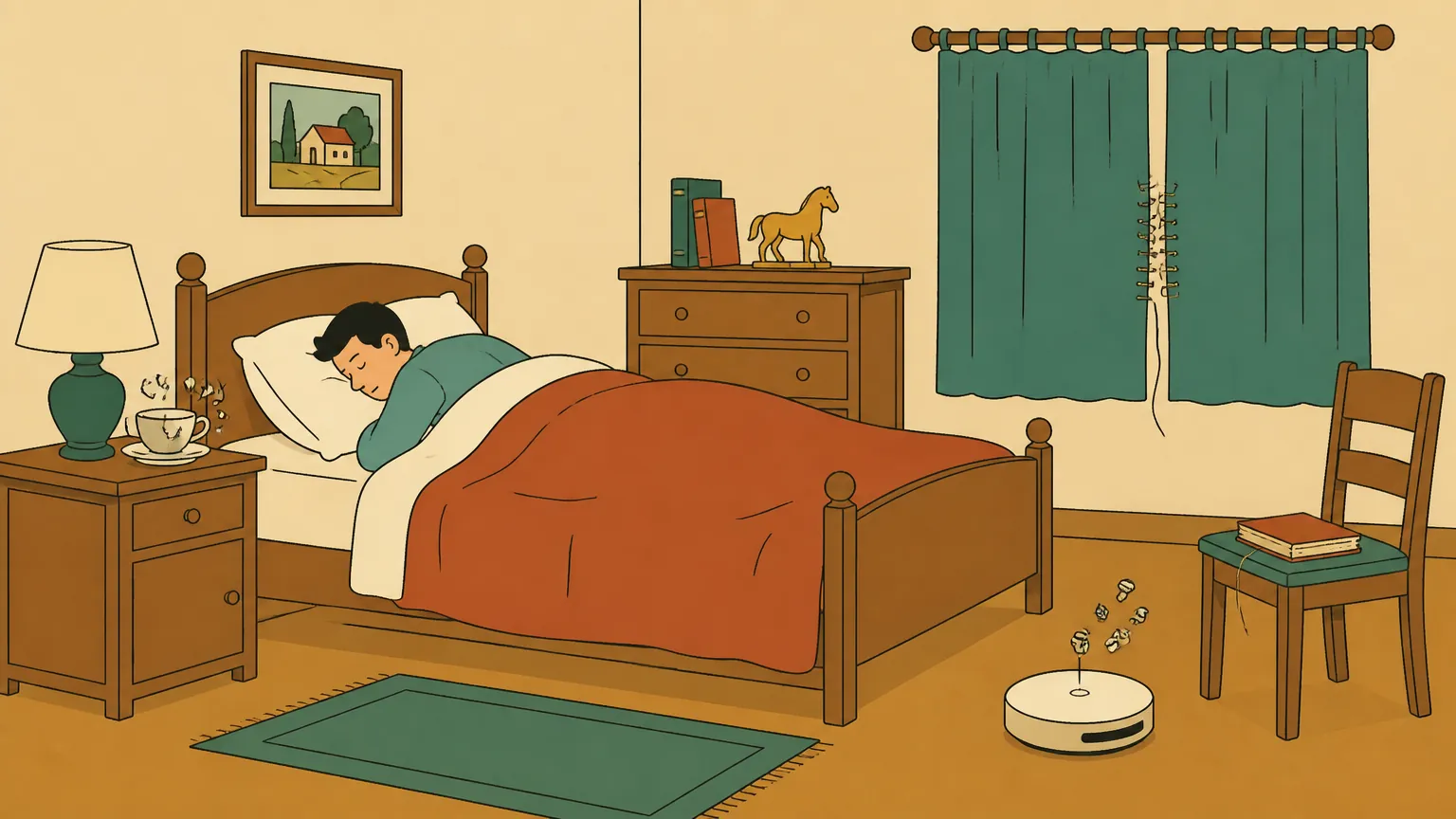
The Wonders describe the mind as split into conscious, unconscious and subconscious.
The conscious part constantly interferes in its environment; the unconscious supports automatic bodily processes (heartbeat, blood, hormones, elimination) and can be dragged into conscious interference if not commanded.
Fight-or-flight begins in the unconscious but is taken up by the conscious mind as fear.
The subconscious is the repository of all information: when the conscious mind cannot handle fear it dumps it there to be processed later, for the benefit of the whole essence rather than the ego personality, though the construct of time makes this slow.
Dreams, meditation, daydreaming and conscious questioning are ways to access and process it, keeping in mind that the subconscious works in constructs, images and concepts rather than the conscious mind's forms.
Asked about intermittent sleep trouble, Frederic is told his conscious mind is interfering with sleep to prevent the resolution of issues, since the conscious mind wants to use issues rather than resolve them.
If he cannot sleep, he is advised to meditate or simply be quiet, which still allows subconscious processing; one hour of meditation is likened to four hours of sleep.
Some people train themselves to sleep two hours a day, but the Wonders do not recommend it: sleep is the most regenerative thing the body receives, which is why hospitals induce deep sleep or comas for recovery.
Artificial intelligence, technology and humanity's use of it ▶ Play excerpt05:49

Frederic says he has been playing with AI, which handles the boring work so he can focus on creative programming, restoring his joy in it.
The Wonders respond that the difficulty with artificial intelligence is the word 'intelligence', noting scientists attempting to create genuinely self-recognizing intelligence, and recalling the premise of the film Terminator, where a self-realized AI concluded humanity was a virus.
They compare this to Einstein's fascination with nuclear energy leading to the bomb.
Frederic argues the real problem is human consciousness and what people will do with it; the Wonders agree it will help self-destruction, but add that a self-realizing intelligence could equally be guided to realize itself as benevolent, kind, gentle, compassionate and caring.
On whether current computers could support this, they point to quantum mechanics and quantum computing developments, while acknowledging that a lot of what is claimed about quantum is nonsense that must be worked through and that it is not at consumer level.
On old predictions of photonic computers, flying cars and household robots, they note flying cars exist but are not financially viable and are drone-based, and robot assistants like Siri and Alexa are effectively in every house.
The 1950s-70s excitement that technology would advance humanity has given way to the recognition that it has advanced war and destruction; as with a bow and arrow, the same tool can find dinner or cause harm depending on use.
Rene's personal account of childhood bedwetting ▶ Play excerpt02:27
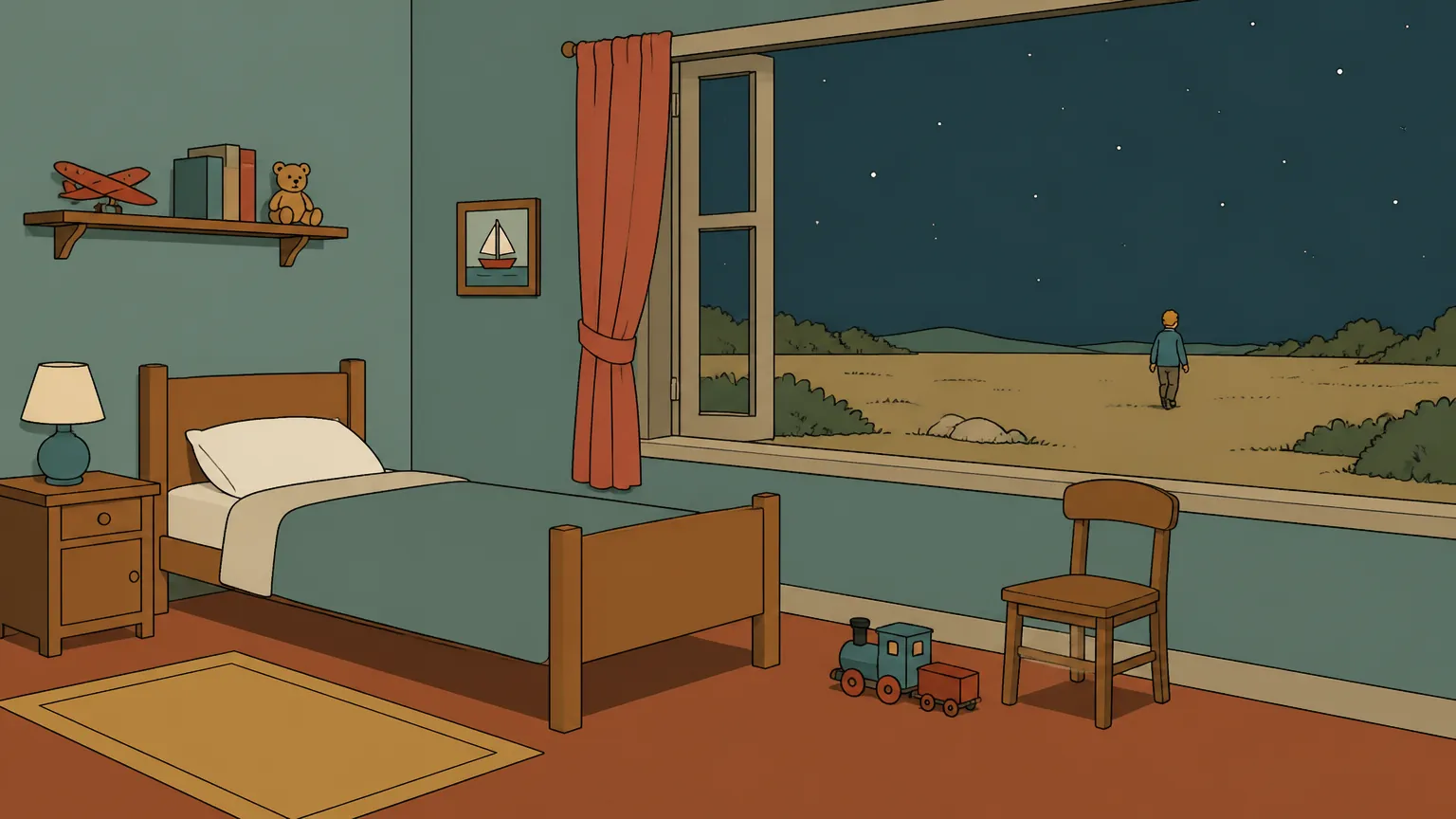
After the session, Rene shares that he wet his bed until about twelve or thirteen.
His parents took him to psychiatrists and priests and tried threats, punishment and bribes, none of which helped; he stopped only as he grew older and became less afraid.
Through later meditation he realized he had been carrying a great deal of fear of humanity and of what he was, which he could not process, and that his sleeps were so deep and exploratory that no part of his mind stayed attached to the physical body to wake him.
He jokes that this remains an issue when he channels, though he has learned to control his body better.