
The core problem in the IT world and a results-based pricing model
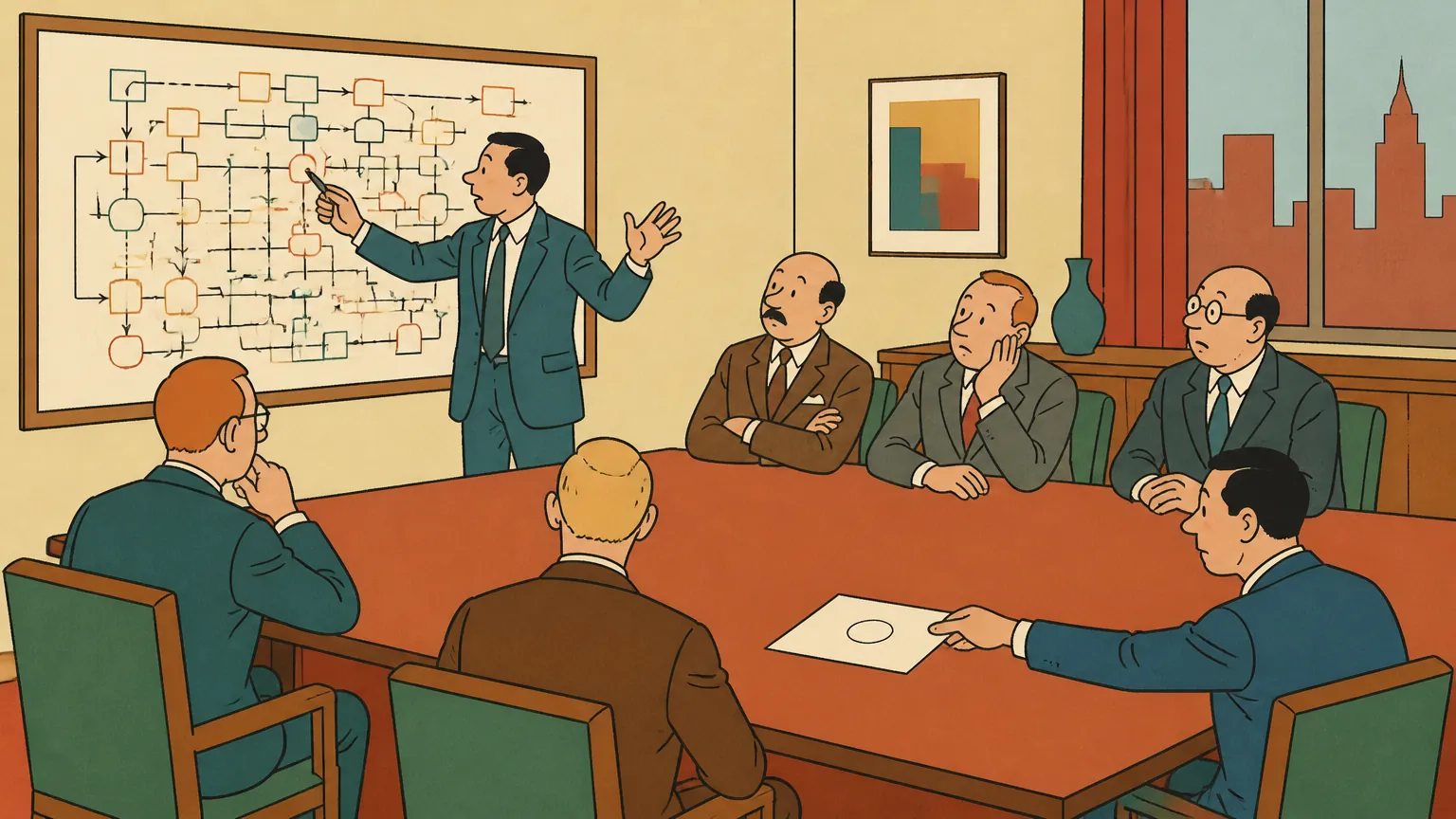
Asked what the biggest problem is for people in IT, the Wonders name the self-delusion that everything is technical: within the technical world everyone shares the lingo, but outside it nobody understands what is being said, so the aim should be getting IT people to speak a language others can understand.
They add that IT thinking is narrow and logical, with creativity coming from outside the field.
On large organizations, including the banks Frederic works with, they describe built-in inefficiencies that protect individual positions and egos, made worse in IT departments because IT confusion is the most confusing to the rest of the organization.
Frederic proposes charging for the value of the solution rather than by the day; the Wonders say large organizations resist open-ended costs and want fixed costs known in advance, so he would have to demonstrate that insisting on fixed costs is what builds in the inefficiencies.
They endorse the model in the long term because it would yield creative, efficient and timely solutions, encourage him to expose his philosophy in a book and on a lecture circuit, and note he will have greater success with organizations interested in saving money - typically smaller and medium-sized firms - than with large ones like the bank, which only care about achieving a result regardless of time or cost.