Session 38 — March 2018
Where to go next: exploration, control, and the fear of harm ▶ Play excerpt05:53

Frederic asks where he goes from here on a non-practical level.
The Wonders ask what he enjoys about exploring and get him to agree that he enjoys discovering concepts more than applying, using or immersing himself in them, and that interaction matters because otherwise it stays a mental concept.
Asked what he fears most, he first says ceasing to expand, but when pressed identifies losing control.
They tell him the best exploration happens where there is no control: while control remains, he explores only in a very limited way, along channels he can manage.
Letting go of control, being strictly in the moment without fear, judgment or guilt, would let him explore freely without limits, and then it becomes simply a matter of what he chooses.
They use the image of jumping off a cliff: a controlling person refuses, or insists on a certain height or on safety gear, and never explores jumping with no safety net while giving himself permission to realize he can jump and not be harmed.
The fear of harming himself is always present, so they urge him to dig into what it would be like not to fear harming himself, which will expand him and raise new questions.
He adds that he also fears harming others; they reply that this leads to the question of whether one can truly harm another, which he grasps intellectually but not emotionally.
They call him an amazing human being willing to ask deep questions, but say he keeps everything in his mind and is not yet emotionally capable of jumping without any preconception of survival, and that this is what he needs to explore.
The difference between control and command ▶ Play excerpt02:32
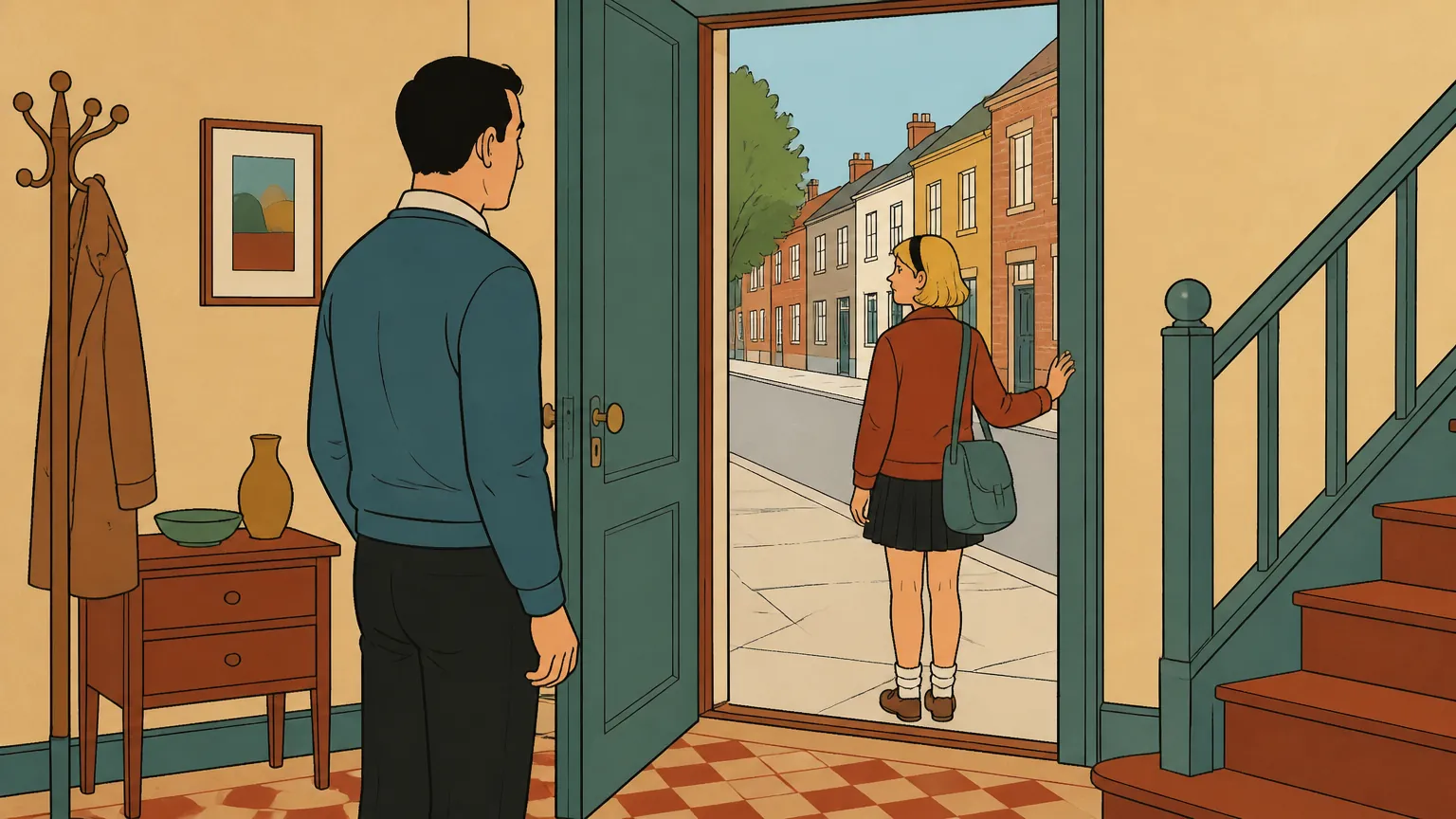
Frederic says he still does not see the real difference between control and command, since making a choice seems like controlling.
The Wonders illustrate with a hypothetical 16-year-old daughter asking to go out with her boyfriend.
Control answers yes or no on the basis that she must abide by the rules he has set up to mitigate his own fears, to keep her safe and to keep his life from being turned upside down, so whatever he says rests on his fears, judgments and guilt and amounts to controlling the circumstances.
Command would mean simply agreeing or disagreeing with the request in that moment, while recognizing that everything flowing from that moment cannot be controlled, so no fear, judgment or guilt could alter it.
Frederic says it helps though he needs to experience it, and they suggest he use this distinction to explore virtually every question he has.